Personal Care and Dermatology: Why Informed Product Choices Matter
Personal care has become an important part of everyday health and wellness. From cleansers and moisturisers to specialised dermatological products, consumers have access to an expanding range of skincare solutions.
However, choosing the right product is not always straightforward.
Different skin types have different needs. Ingredients that suit one person may not be appropriate for another. Marketing claims, online recommendations and popular skincare trends can also influence purchasing decisions without providing enough information about product suitability.
This is where informed product choices become essential.
For consumers, understanding personal care and dermatology products means looking beyond packaging and promotional claims. It means considering ingredients, intended use, product quality and professional guidance.
Understanding the Difference Between Personal Care and Dermatology Products
Personal care products are generally designed to support everyday hygiene, cleansing, moisturising and grooming. They include soaps, shampoos, lotions, face washes and other routine-use products.
Dermatology-related products, on the other hand, may address specific skin concerns or support specialised skincare needs. Depending on their formulation and regulatory classification, some may contain active ingredients that require careful use or professional advice.
Understanding this distinction helps consumers select products according to their actual needs rather than relying only on popularity or advertising.
Why Skin Type Matters When Choosing Products
Every individual's skin has different characteristics. A product suitable for dry skin may not provide the same experience for oily or sensitive skin.
Before selecting a skincare product, consumers should consider:
- Dry skin: May require products designed to support moisture retention.
- Oily skin: May benefit from suitable cleansing and lightweight formulations.
- Sensitive skin: Often requires careful attention to fragrance, ingredients and potential irritants.
- Combination skin: May need different considerations for different areas of the face.
- Acne-prone skin: May require products selected according to skin tolerance and professional recommendations.
Skin type can change with age, climate, lifestyle and other factors. Therefore, product selection should not depend on assumptions alone.
Read the Ingredients Before Making a Purchase
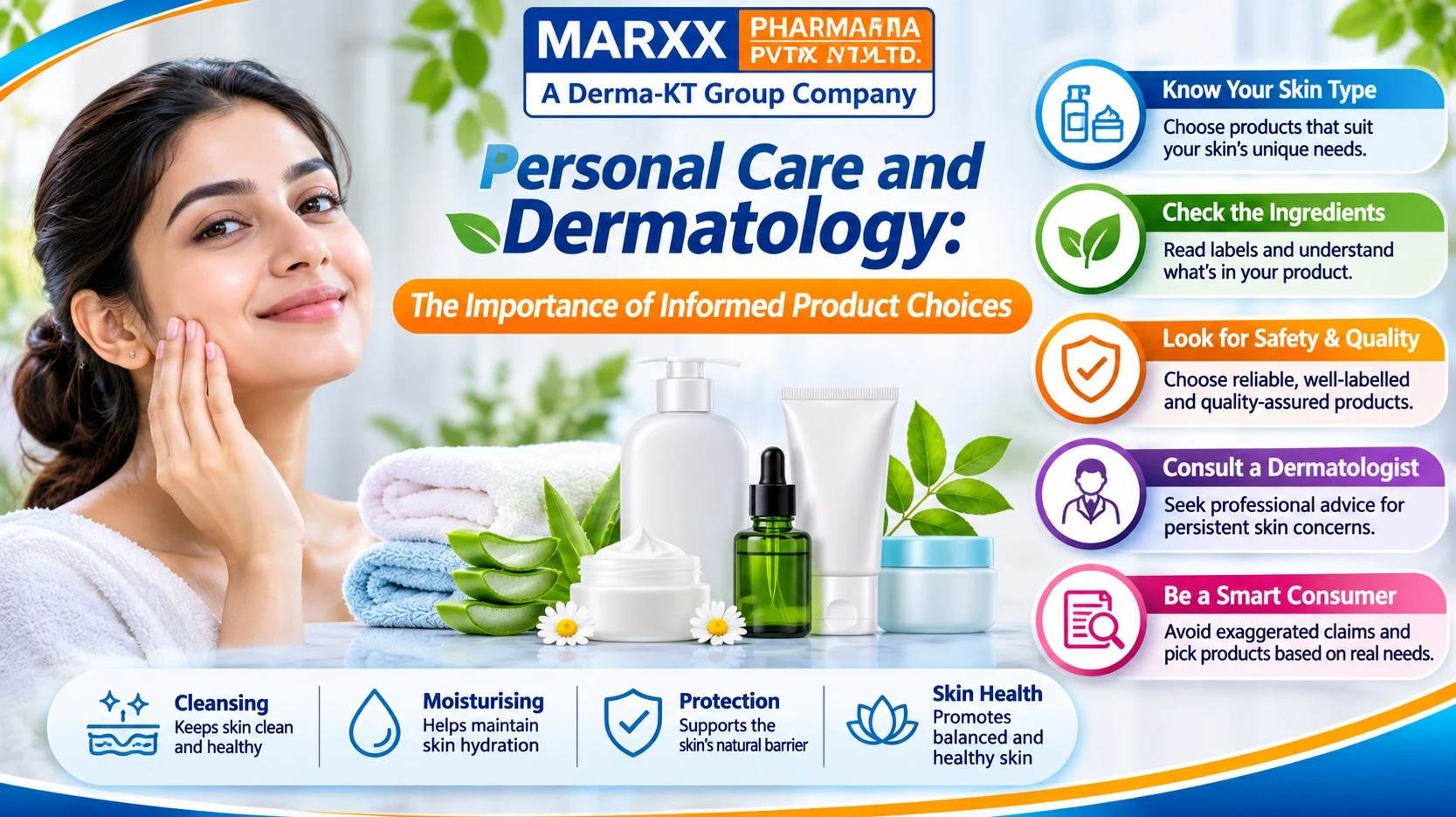
The ingredient list is one of the most useful sources of information on a personal care product.
Consumers should make a habit of checking product labels and understanding the purpose of key ingredients. They should also consider whether a formulation contains ingredients that have previously caused irritation or sensitivity.
A few practical habits can make product selection more responsible:
- Read the complete ingredient list.
- Check the product's intended purpose.
- Review directions and precautions.
- Check manufacturing, expiry and batch information.
- Avoid products with unclear or exaggerated claims.
- Seek professional advice when using products for specific skin conditions.
An ingredient being popular does not automatically make it suitable for everyone. Formulation, concentration, application and individual skin response all matter.
Product Claims and Consumer Awareness
The skincare market frequently uses terms such as natural, herbal, dermatologist-tested, gentle and advanced formula.
Although these descriptions may attract attention, consumers should understand what a product actually offers.
A natural or herbal label does not automatically guarantee that a product is suitable for every skin type. Similarly, a premium appearance or attractive advertisement does not establish product effectiveness.
Responsible consumers should look for clear product information, appropriate labelling and claims supported by relevant evidence.
Manufacturers also have an important responsibility to communicate product information accurately and avoid misleading promises.
The Role of Dermatologists in Skincare Decisions
Online skincare advice can provide general awareness, but it cannot replace an individual assessment by a qualified dermatologist.
Persistent acne, unusual rashes, itching, inflammation, pigmentation changes and recurring skin irritation may require professional evaluation.
A dermatologist can help identify possible causes, recommend appropriate treatment and guide consumers towards suitable skincare practices.
Consumers should be especially careful with products containing medicinal or other active ingredients. These products should be used according to their approved directions and professional advice where required.
Why Product Quality and Safety Matter
Product quality is a fundamental consideration in personal care and dermatology.
Consumers should purchase products from reliable sources and check that packaging is intact, labels are readable and essential product details are available.
Responsible product selection also involves checking:
- Manufacturer and product details.
- Batch number and manufacturing information.
- Expiry date and storage instructions.
- Directions for use and warnings.
- Applicable quality and regulatory information.
If a product causes unexpected irritation or an adverse reaction, consumers should stop using it and seek appropriate professional advice.
The Growing Importance of Responsible Skincare in India
India's personal care and skincare market continues to evolve as consumers become more aware of hygiene, skin health and product ingredients.
Climate diversity, changing lifestyles, pollution exposure and different skin concerns make product awareness particularly relevant.
At the same time, the growth of e-commerce and social media has increased access to skincare information and products. While this creates more choices, it also makes reliable information increasingly important.
Consumers need to distinguish between educational content, personal experiences and evidence-based healthcare guidance.
For the pharmaceutical and personal care industry, this creates an opportunity to strengthen consumer awareness through transparent communication, responsible product information and a commitment to quality.
Marxx Pharma Pvt. Ltd.: Supporting Awareness in Personal Care and Healthcare
Marxx Pharma Pvt. Ltd. is part of an evolving pharmaceutical and personal care landscape where product information, consumer awareness and responsible healthcare communication remain important.
Through its product portfolio, Marxx Pharma represents a range of healthcare and personal care categories. Consumers and healthcare professionals can explore the company's product range through its official website.
As consumer expectations continue to develop, clear product information and responsible communication can help build stronger relationships between manufacturers, distributors, healthcare professionals and consumers.
Frequently Asked Questions (FAQs)
1. Why is it important to choose personal care products carefully?
Different products contain different ingredients and formulations. Careful selection helps consumers consider their skin type, intended use, product instructions and potential sensitivities.
2. How can consumers identify suitable skincare products?
Consumers should understand their skin type, read ingredient lists, check product labels and consider professional advice when dealing with specific skin concerns.
3. Are natural skincare products always safe?
No. Natural ingredients can also cause irritation or allergic reactions. Product suitability depends on the formulation and individual skin response.
4. When should someone consult a dermatologist?
A dermatologist should be consulted for persistent acne, recurring rashes, unusual skin changes, ongoing irritation or other concerns that require medical evaluation.
5. Why are product labels important?
Labels provide information about ingredients, intended use, directions, warnings, manufacturer details and expiry dates. Reading them supports more informed purchasing decisions.